Our Post-Secondary Education programs give students the chance to take part in authentic synchrotron research as part of their coursework. Each program is developed in collaboration with faculty and departments to ensure it meets specific course objectives and learning outcomes. By working with us, we can design a tailored opportunity for your students, whether it’s an integrated project, a lab-based experiment, or a collaborative group research initiative. Explore the examples below to see how these programs come to life—and visit our Seminars page if you’re looking for a guest speaker or course presentation from our Education team.

Three Ways to Engage

We work with faculty to design post-secondary learning experiences that connect students with real synchrotron research. These collaborations can take different forms depending on your course objectives.


Integrated Projects

Designed to be embedded directly into your course, this format incorporates synchrotron research into classroom concepts and assignments. We work together to identify the research focus that will align with your learning outcomes.

Lab-Based Experiences

Bring your students to our facility (or connect virtually) for hands-on experiments using advanced scientific equipment. We collaborate to ensure the activities complement your curriculum and support your teaching goals.

Group Research Projects

We help you incorporate collaborative research by guiding student teams through an authentic scientific investigation. Together, we select a project scope and structure that fits your timeline and assessment needs.

Integrated Project

Several post-secondary courses have successfully integrated a student-driven research project using synchrotron techniques directly into course delivery. In this model, students design, execute, and report on their own project over a full term (approximately four months). While this approach requires significant time and smaller class sizes, it offers rich and meaningful learning experiences and can provide a strong context for delivering other course content and achieving learning outcomes. This model works especially well in upper-year classes.

Ancient coins to be studied by undergraduate students with the synchrotron at CLS, with the Education Programs.

CMRS 398.3/CHEM 398.3 - Using Big Science for the Study of Material Culture

This unique course brought together 3rd year students from Chemistry and Classical, Medieval & Renaissance Studies in a collaborative, hands-on research experience. Co-taught by faculty from both departments and the CLS Education Programs Lead, with support from beamline scientists and the Museum of Antiquities, students explored the science behind historical artifacts.

Course Information

  • Duration: 1 term (4 months)

  • Class size: Max 20 students

  • Assessment: Final presentation and report; smaller assessments at project milestones

  • Audience: Open to Chemistry and Classical, Medieval & Renaissance Studies students

What Students Did

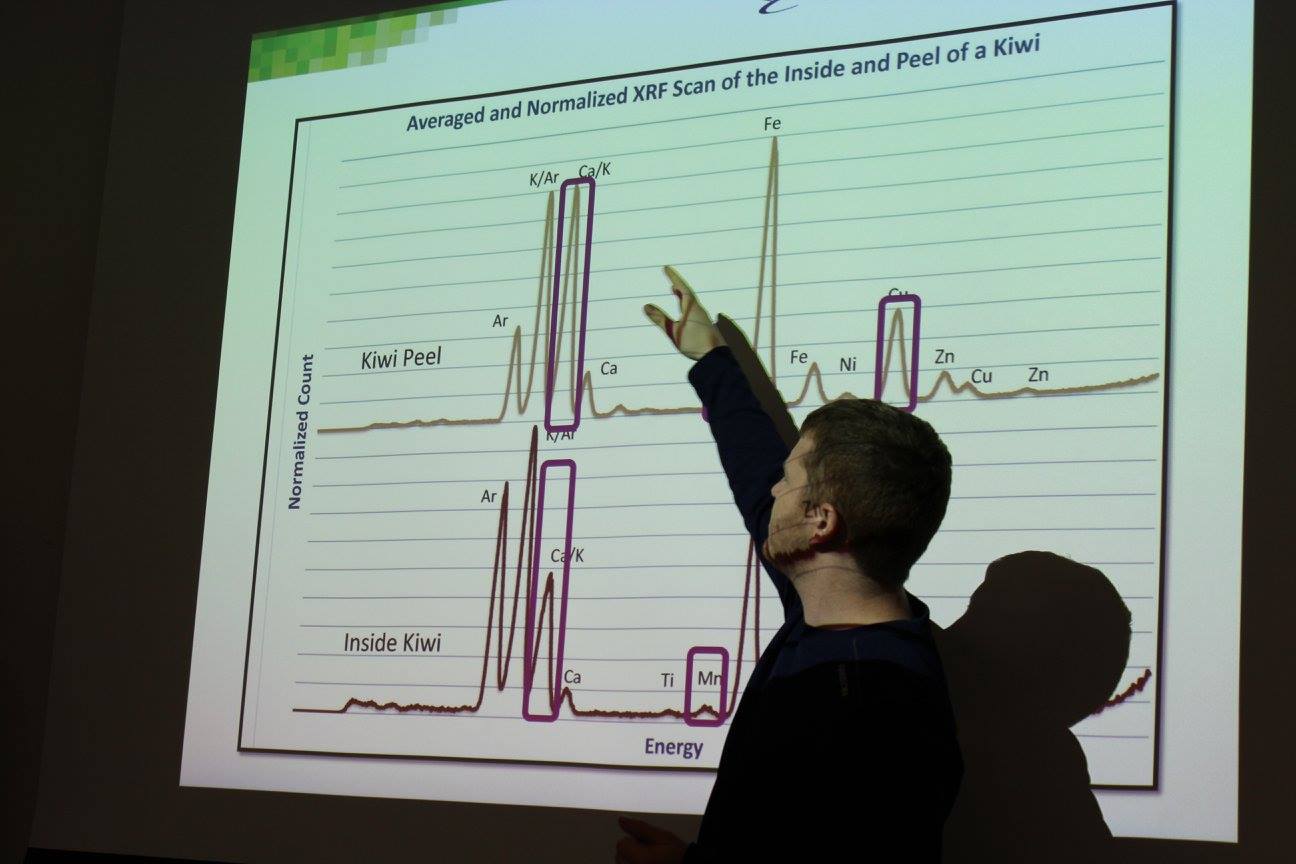
Working in small groups, students designed and carried out chemistry experiments rooted in historical research questions. Using synchrotron techniques like X-ray fluorescence and Mid-IR spectroscopy, they analyzed artifacts such as ancient coins, faience (finely glazed ceramics), pottery, medieval manuscripts, and even investigated the phenomenon of “bronze disease” seen in artifacts across eras.

For Faculty

This course demonstrates how interdisciplinary collaboration can be built into upper-year courses, connecting science and humanities students through a hands-on research project. Embedding the research experience into course assignments strengthens learning outcomes and student engagement, while close collaboration between departments and research staff ensures students receive both intellectual and logistical support.

Explore More

Bright Light on the Past - Featured Story 
Crossing Beams: An Intersection of Disciplines - Video 

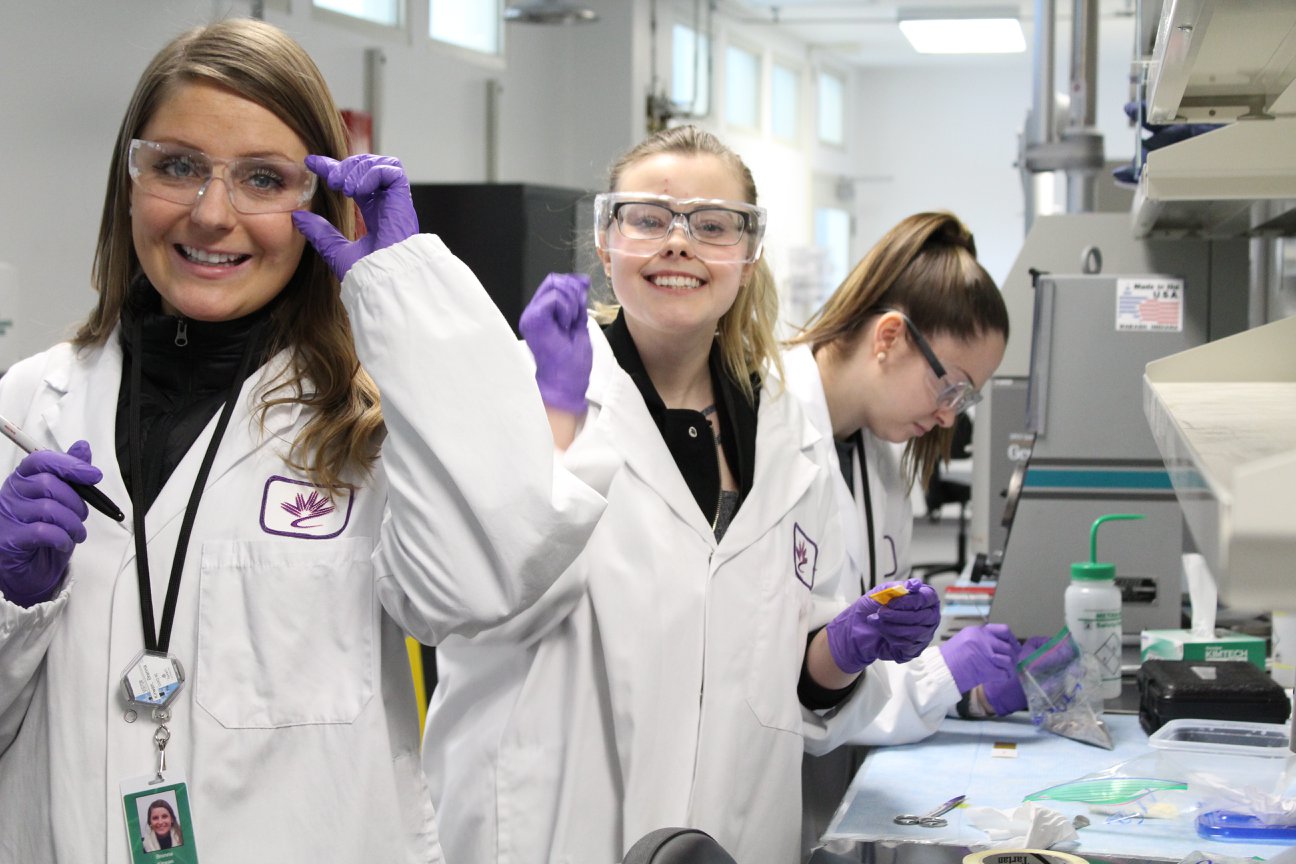
Undergraduate education students learning inquiry and science research as they prepare their samples in a lab at CLS.

ECUR 411 - Inquiry Project and Community Learning Field Experience

This final-term Education course immerses students in inquiry-based teaching and learning. Taught by the CLS Education Programs Lead with support from CLS staff and other scientists, it blends pedagogy exploration with hands-on scientific research using synchrotron techniques.

Course Information

  • Duration: 1 term (4 months)

  • Class size: Max 20 students

  • Assessment: Inquiry project, reflection assignments, and integration of pedagogy concepts into practice

  • Audience: Open to fourth year Education students 

What Students Did

Students split their time between studying approaches to inquiry-based pedagogy across subject areas and grade levels, and conducting their own research project as learners. Using synchrotron techniques, they designed and carried out an experiment, connecting their first-hand scientific investigation to pedagogy of assessment, instruction, facilitation, and integration of multiple ways of knowing.

Throughout the term, students deepened their understanding of the research process, built confidence in applying inquiry-based methods, and developed strategies to bring these immersive experiences into their own future classrooms.

For Faculty

This model shows how students can develop both subject-area expertise and pedagogical skills through an embedded research experience. By engaging students as both researchers and future educators, the synchrotron project supports experiential learning that can be replicated in their own classrooms and highlights how specialized facilities can deepen learning across disciplines.

Explore More

Students from University of Saskatchewan in ECUR 411: Presentations 2023 - Video 

Mid-IR endstation which has been used as part of a post-secondary course for chemistry students.

CHEM 445 - Advanced Inorganic Chemistry

This upper-level chemistry course examines the theories and applications of structure and bonding in inorganic chemistry. Students explore molecular symmetry, bonding models, and molecular orbital theory, applying this knowledge to topics such as acid-base chemistry, complex formation, spectroscopy, organometallic synthesis, and catalysis.

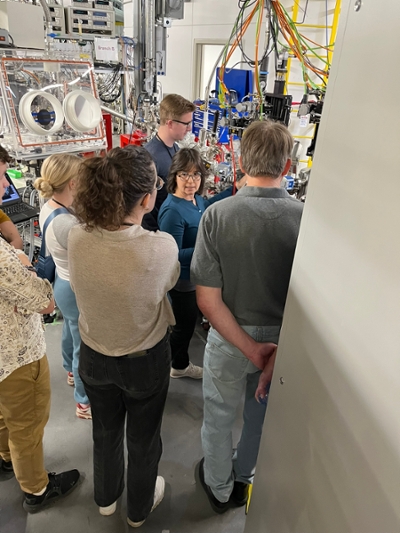
In collaboration with the CLS Education Programs Lead, the course incorporated an in-depth tour and discussion session at the CLS. This provided students with first-hand exposure to how to how synchrotron techniques are applied in inorganic chemistry, and the experience was integrated into their final research paper. 

Course Information

  • Duration: 1 term (4 months)

  • Class size: Small

  • CLS Engagement: 1-day visit integrated into final research paper assessment

  • Audience: Fourth-year chemistry students 

What Students Did

As part of their course work and final research paper, students spent a day at the CLS. The visit included:

  • Guided tours of relevant beamlines lead by beamline scientists
  • Q&A session with experts on synchrotron techniques
  • Exposure to real-world applications of synchrotron science that complemented their course material

Students incorporated their observations and insights from the visit into their research paper, deepening their understanding of advanced techniques in inorganic chemistry.

For Faculty

This example illustrates how a focused, single-day engagement with a specialized facility can enrich a course without full-term integration. Aligning the research component with existing coursework and providing guidance from research staff allows students to gain exposure to advanced techniques, while offering a foundation for potential expansion into longer or more integrated projects in the future.

Lab-Based Experience

Sometimes a student-driven research project doesn’t quite fit within the structure of a post-secondary course. In these cases, some instructors choose to integrate it into their lab-based activities instead. The research topics are usually more guided and structured to ensure success within the limited time available. This approach works especially well in introductory courses or Adult Basic Education classes.

EVSC 110.3 - Renewable Resources and Environment
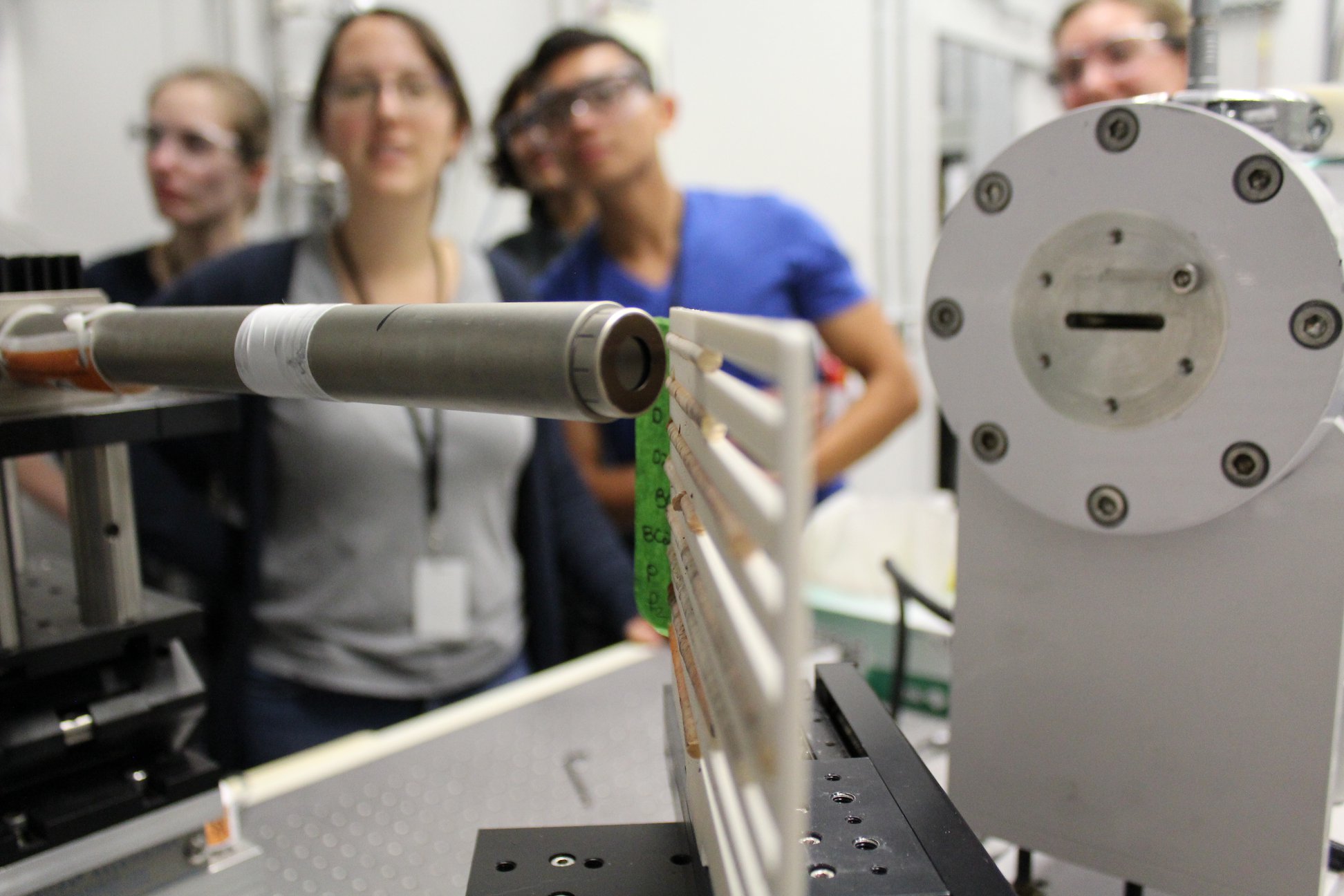
Post-secondary students with the FYRE program having beamtime on IDEAS as part of their lab-based experience.

This first-year environmental science course introduces students to renewable resources and their management, including surface water, groundwater, land, and plant resources. Students examine sustainable use, ecological goods and services, and the interactions between human activity, resource use, and global change. Weekly tutorials explore critical assumptions underlying resource use and their broader implications. The syncrotron was used in their lab component, where they did a structure research experience that related to renewable resources and environment. 

Course Information

  • Duration: 1 term (4 months)

  • Class size: 60 Seats; CLS Component limited to 20 students

  • CLS Engagement: Lab-based, guided research experiment

  • Audience: First-year Environmental Science Students

  • Delivery Context: part of the University of Saskatchewan's First-Year Research Experience (FYRE) initative

What Students Did

Through the FYRE program, students could opt into a larger, synchrotron-based research project in place of a smaller, more traditional lab activity. Those who participated undertook a guided research experiment at the Canadian Light Source, designed to fit within the course’s lab schedule. Activities included:

  • Pre-structured experimental design using synchrotron techniques

  • Guided data collection with beamline scientist mentorship

  • Analysis and interpretation of results in relation to course themes

This approach provided students with an authentic research experience early in their academic careers. Several participants have gone on to join the Mistik Askîwin Dendrochronology (MAD) Lab as research assistants, graduate students, or to complete their undergraduate thesis projects.

For Faculty

This lab-based, opt-in synchrotron project shows how first-year courses can provide authentic research experiences without overhauling the curriculum. Pre-structured projects ensure students succeed within limited lab time, while optional participation allows scalability. Early exposure to research techniques can inspire students to pursue more advanced projects or lab positions later in their studies.

Explore More

Mad Lab Website
FYRE on the Beamline - Feature Story
Group Research Project

Another way that a research project has been incorporated into a post-secondary course is by offering it as an assignment. Here is an example done with the University of Saskatchewan:

Undergrad students presenting their science research at the CLS, as part of the Education Programs.ECUR Courses
Tim Molnar, faculty in the College of Education, often offers the opportunity to conduct a synchrotron-based research project as part of his courses for future teachers. This has been offered in an introductory science course as well as both elementary and senior science teaching methods courses. The size and scope of these project vary with course outcomes and are developed collaboratively with the Education Programs Lead.